
20-Second Summary
This outline gives you a full-funnel guide to SEO for SaaS companies, covering:
- SaaS SEO strategy
- Technical SEO
- SaaS keyword research
- Product-led content
- SaaS comparison pages
- SaaS landing page SEO
- and SaaS conversion optimization
Every section is a built-in ranking opportunity designed to outperform competitors and drive real SaaS organic growth.
SEO for SaaS Companies and How Organic Traffic Drives Scalable SaaS Growth
SEO in general is important for every type of business and organization, and the term cannot be notably stated as a specific type of SEO. We are using it here to discuss how SEO can work for the SaaS companies.

Since the SaaS businesses are predominantly working on a B2B model, involving a long-term sales cycle, because so many parties are involved in making the decision, whether it is a long-term relationship and commitment with the SaaS Vendor, they need to ensure that the tool they will be using will be able to fit their business model perfectly.
So SaaS businesses are basically selling the softwares solving problems of businesses, and they need customers with high intent, and using paid advertisements for client acquisition can be really costly, and this is where SEO comes into play.
SEO may have SaaS companies invest readily in the beginning, but once done successfully, it can cut down on the customer acquisition costs in the long run.
Why a SaaS SEO Strategy Must Support High-Intent Users and Long B2B Funnels
The high-intent users are those who are actually looking for a solution to their problems, with the intention to convert into your active buyers.

These high-intent buyers are looking for information at each stage of their lives, from awareness, consideration, and decision-making. By targeting these high-intent users, you can build your trust by providing them with the required information at each stage of the cycle and capture these qualified leads, making sure that they buy your products, based on the right SEO content strategy utilized at each stage of the purchase cycle.
Targeting the high-intent users not only increases your chances of getting qualified leads but also reduces your costs of acquisition.
With the right SEO strategy for the high-intent traffic keywords and queries, you provide them with information that builds trust, which is essential in the B2B transaction.
Since the SaaS purchase has a long B2B funnel, the SaaS SEO strategy is based on three different stages called TOFU, MOFU, and BOFU, each of which will be discussed in detail later in the blog.
SaaS SEO Best Practices for Improving Organic Visibility and Customer Acquisition
For better SEO for SaaS companies, there are six key practices that you can apply for effective optimization and reach your audience.

Keyword Research
First priority for search engine optimization for SaaS companies should be about Keyword research for the perfect On-Page SEO because keywords are what make your content seen, and you must use the keywords and key entities that are frequently being used by your high-intent SaaS services seeking users.
With the right keywords, you create content and ensure that you are targeting the intent of the users and reaching the right audience in search engine results pages.
Content Creation
Content is the king has been an old sentence that we have been hearing about a lot since the blogging world took a shift, and it still stand true to its core concept for businesses, especially the SaaS companies for whom the purchase and sale funnels are really long, and they need to have content strategy, designed for each stage of their sales cycle to retain their qualified leads, and turn them into purchase.

Based on the three core SaaS sales stages, there is a need of seo optimized content especially designed for each stage.
Some core things to consider while quality content creation include:
- Using the entire keyword research process to find relevant keywords for content creation.
- Keeping in mind to use the SaaS long-tail keywords with low keyword difficulty, but still ensuring they have a search volume.
- Writing high-quality content that provides value based on the pain points and intent of the customer at each stage of the SaaS sales funnel.
- Avoid keyword stuffing and content duplication while creating seo optmized content for your SaaS platform.
Ensuring you meet this criteria, you can actually do best on-page optimization, or should I say, you will be applying better on-page SaaS SEO.
Technical SEO for SaaS Companies
Technical SEO is another important practice for SaaS companies. While running your company website, you need to ensure that it is responsive and has no broken links, so that you do not fall behind and lose your leads to your competitors.
If a website is not technically doing well, then, regardless of having good on-page optimization, you are at risk of losing your traffic. So some major aspects of technical SEO for SaaS companies that you need to consider include:
- Using a content delivery network for better page loading speeds.
- Designing your website to be mobile-friendly.
- Using HTTPS for website security, as HTTPS is a Google ranking signal and builds visitor trust, which improves user experience and engagement.
- Generate an XML sitemap to help the search engines find your website pages and index them faster.
Doing all of the above not only enhances your on-page SEO and website performance but also acts as a ranking factor and improves your chances of ranking in search engine pages.
Building High-Quality Backlinks
We can never deny the importance of backlinks. SaaS blog SEO holds backlinks as a crucial factor for showing the relevance and SaaS authority building of your website to the people searching for your niche-related SaaS services information.
By building backlinks from authority websites in your same industry, or from your clients having high authority websites that are using your SaaS tool, you can build your trust and credibility, increasing the number of sales.
Competitors’ Analysis
Knowing your competitors better in the SaaS industry can work positively for your SaaS company. Based on your competitors’ SEO strategies, you can actually figure out what is working for them, or what keywords they are ranking for. Then, by targeting the same keywords with a better backlinking strategy, you can pitch in better content, improving your search rankings.

To do this, you can use different tools like Ahrefs and then identify and analyze the top competing SaaS vendor websites based on their backlink profiles and content themes. You will always find gaps that they have not filled yet, allowing you to take up the space to improve your search rankings.
Cluster Content with Internal Linking
Having content on your website is not the core strategy; you also need to have a better SaaS content strategy, where the focus should not be just on the introductory content, but also on the product-led content for SaaS, including case studies and onboarding content that will help your customer till the end of your SaaS funnel.
As a SaaS company, you must ensure smooth internal linking within your content, creating topical authority within your niche industry based on the optimized content for organic growth.
SaaS Keyword Research for Mapping TOFU, MOFU, BOFU Buyer Intent Across the Funnel
Here comes the three stages of the SaaS funnel, where keyword and content strategy vary based on the stage of buyer intent for each stage.
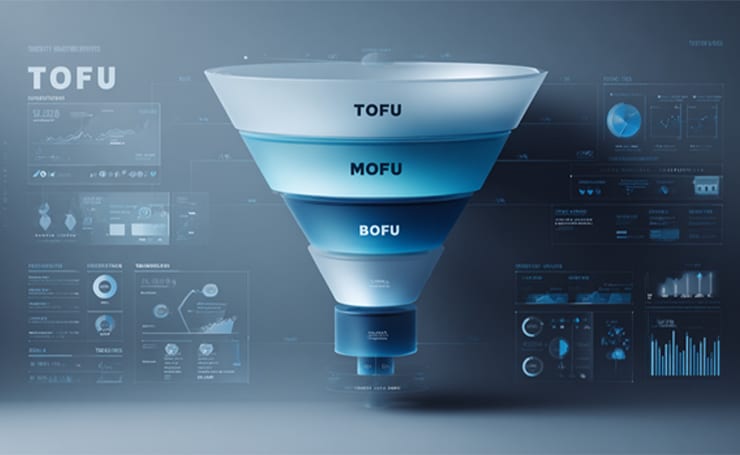
First, let us understand all the key stages of the SaaS customer journey:
TOFU Stage in SaaS Sales
This is the awareness stage, where your customer has problems, but they are not aware of the solutions, so you provide information by catering to their pain points, addressing common questions that they might have, so that they move towards the next stage, which is MOFU.
MOFU Stage in SaaS Sales
Now, after TOFU, the satisfied customer comes to the MOFU stage, which is known as the stage of consideration. This is where the customers are totally aware of their problems, but they are not aware of the solution. Here, the SaaS vendors should focus on the lead magnets, case studies, product descriptions, and comparative content.
BOFU Stage in SaaS Sales
BOFU is the last stage of the SaaS sales process. Here, the customer is ready to make a purchase. Here, SaaS companies should focus on content around their products, pricing, client testimonials, and CTAs that convert the MOFU clients into confirmed customers. This stage helps to convert leads into purchases, increases the chances of your sales, and adds lifetime value for the customer.
To align your website content with your audience’s search intent and support accurate SaaS SEO planning, the following table maps TOFU, MOFU, and BOFU keywords to their intent, content formats, and user mindset. You can use it as a reference for creating or optimizing your keyword strategy.
| Funnel Stage | Search Intent | Keyword Examples | Content Types That Rank Best | User Mindset |
| TOFU Awareness | Problem-identification and educational intent | “What is [software type]?”, “How to fix [pain point]?”, “best ways to improve [process]”, “SaaS trends”, “industry challenges” | Educational blogs, guides, checklists, explainer posts, and intro videos | User knows the problem but not the solution. Seeks clarity, definitions, and general advice. |
| MOFU Consideration | Solution comparison and product research intent | “[software type] features”, “top SaaS tools for [use case]”, “best software for [task]”, “[industry] software comparison”, “how [solution] works.” | Lead magnets, case studies, feature breakdowns, comparison content, use-case pages | User understands the problem and wants the best-fit solution. Evaluates software types, features, and benefits. |
| BOFU Decision | Purchase-ready, vendor-selecting, transactional intent | “[tool] pricing”, “[tool] reviews”, “[tool] alternatives”, “buy [software type]”, “[tool] demo”, “best [tool] for small business/enterprise.” | Landing pages, pricing pages, testimonials, demos, competitor comparison pages | User is ready to buy and needs final validation through pricing, trust signals, and product proof. |
Essential Content Types That Convert
There are some essential pages that work great for SaaS SEO companies, but they need to ensure that they meet some important considerations before designing and optimizing these pages for their websites.
Below, we have provided the content types that can help SaaS companies gain leads, along with some key points and tips that they should follow to make it more effective.
Comparison pages (vs. competitor pages) for SaaS SEO
Comparison pages, or the vs. competitor pages, are a type of landing page that is built to show a side-by-side comparison of your competitors to show the target audience why your SaaS services are a better choice for them.
But there are some key considerations that you must consider before designing these comparison pages.
- Always test the services being provided by your competitors so that you know what they actually provide and where they lack, and you are outperforming.
- Rather than badmouthing your competitors, you must highlight where you are providing more value. This way, you do not trash the other company, but ethically put forward your own company and its services.
Landing page optimization for SaaS Companies
Since we have already discussed comparison pages that are a type of landing page, to cut the confusion, we would like you to know first that the comparison pages are a type of landing page, but not all the landing pages are comparison pages.
Landing pages are an essential tool for SEO in SaaS companies. These high-intent pages are designed with specific keywords to convert organic traffic for quality leads, like the demos or trials of the tool, to offer value and build proof for maturing the deals.
With a proper keyword research process, SaaS companies can target their audience with landing pages, considering the following things in mind:
- The message should be clear without extra or general information that could distract your customers from the offer.
- The content on your landing page should be similar to the intent of the keywords or the search query of your target audience.
- List the right pain points of your customers that keep them interested in moving forward with the trials or demos.
SaaS Product pages SEO
SaaS product pages also help to attract qualified leads, for which you will need to optimize these pages with targeted keywords that are commercial and long-tail, along with clear call-to-action buttons.
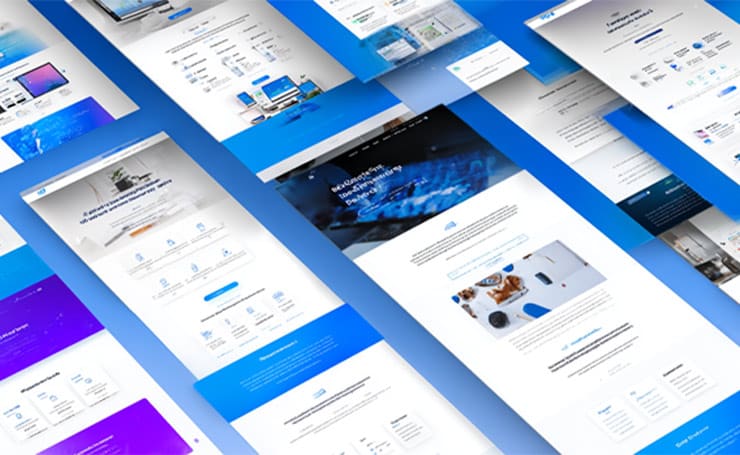
Some key considerations you must ensure while designing these pages include:
- Find high-intent keywords based on your quality leads search intent, and include pain points while providing information about products.
- Do not give general information on the tool, but show how its different features solve different problems of your clients.
- Keep readability in mind and use short paragraphs, with images, and bullet points for quick and easy understanding.
- Use call to actions very clearly stating whether to sign up on your website platform, or email to book a demo.
- Provide client testimonials for each product to build trust.
- Make sure these pages are mobile-friendly and load faster.
- Build topic clusters (educational blog posts and case studies) around your products and link them to your product pages.
- Ensure you have high-quality backlinks from highly authoritative SaaS directories and websites to gain trust and ranking, and convert your product pages into conversion hubs for your SaaS software.
Case studies and SaaS SEO
Case studies are really important in SEO for SaaS companies because they show your clients that your software and services provide value to your clients. With the help of strong success stories, you can build trust around your SaaS tools, driving high-quality conversions.
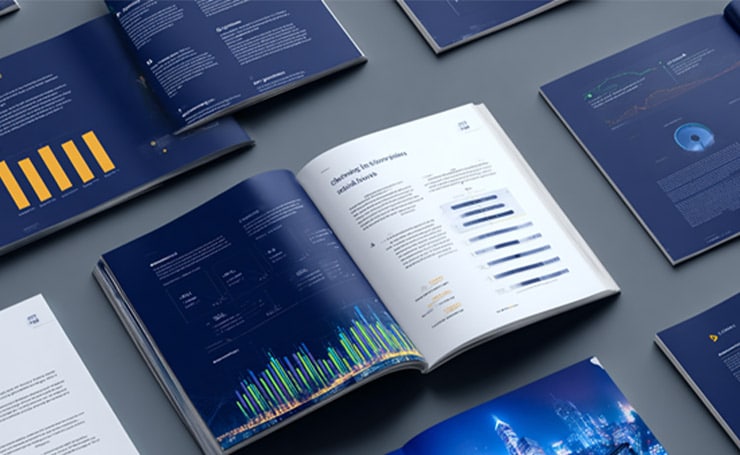
By giving your success stories in the form of case studies, along with client testimonials and results inside them, you can gain real-world experiences like traffic growth and revenues, which are crucial factors in B2B SaaS companies.
Some important key considerations while building case studies and optimizing them for your SaaS SEO are:
- Highlight a customer challenge that your users can relate to.
- Showcase exactly which features of your tool helped to solve these challenges and what results they derive, using the keywords and pain points effectively.
- Also state what extra offers you gave the company to gain the achieved outcomes, and show all the major results, including the traffic growth, leads, MRR, and rankings of the client’s website.
Final Remarks: Building SaaS Authority
Now that we have discussed the strong SEO perspective around the SaaS companies, we know that, in a nutshell, the perfect SaaS SEO strategy for any SaaS company must include the combination of the SEO of the blog around the SaaS products and services of the company, with content clustering for topical authority, along with high-quality backlinks, and E.E.A.T. signals that bring quality leads conversions to increase the SaaS sales.
SaaS SEO is just like any other SEO, but the difference is seen in the long sales cycles for SaaS, where the SEO needs to align with each stage of the SaaS customer journey.
From providing initial information to SaaS website optimization with the product-led content for SaaS companies, and SaaS funnel keywords for TOFU, MOFU, and BOFU stages, till the finalization of the subscription, SEO is a crucial success factor for SaaS companies.
If you found this blog useful, then do not forget to read more on SaaS at Latest SaaS Updates.
Frequently Asked Questions
What makes SEO for SaaS companies different from traditional SEO?
SaaS SEO is different than traditional SEO because SaaS companies have relatively long sales cycles, requiring SEO implementation at different stages of the selling process to convert leads into potential long-term customers.
How do SaaS companies choose the right TOFU, MOFU, and BOFU keywords
The keywords for SaaS funnels, TOFU, MOFU, and BOFU should align with the user intent along the buyer journey. For TOFU, the keywords should be informational and provide awareness, for MOFU, the keywords should cover the comparative terms and provide solutions-related content based on your forte features, and finally, the BOFU stage should use the transactional keywords with CTAs that lead customers to make a purchase or sign up for a demo and trial.
What type of content helps SaaS brands generate the most organic conversions
The most conversions for a SaaS company come based on the middle of the funnel content that provides educational content like in-depth guides and demos, and the bottom of the funnel content like case studies with success stories, comparison and landing pages, along with guided tutorials around the SaaS services.
How do SaaS comparison pages improve demo signups and trial activations?
With the help of the SaaS comparison pages, SaaS companies can build trust in their software by ethically showcasing their unique value as compared to their competitors. This can bring you high-quality leads by answering the objections and questions in the minds of your potential leads by giving them information that leads to qualified users who want to try your tools and see the results in action.
What technical SEO factors matter most for SaaS websites?
Some technical factors that matter for the SaaS websites include having a mobile-friendly website, HTTPS inclusion, having XML sitemaps, and using a CDN for fast loading speed of the website.
How can B2B SaaS companies build high-quality backlinks quickly?
For gaining high-quality backlinks in a short time organically (3 to 6 months), SaaS companies can create a unique tool that offers something unique in the SaaS industry, do guest posting for high-authority industry leaders, use HARO to get media mentions, and ask your clients to add a link to your tool they are using on their case study website pages. Remember, one quality backlink from a high authority website will be better than a hundred backlinks from low-quality websites.
